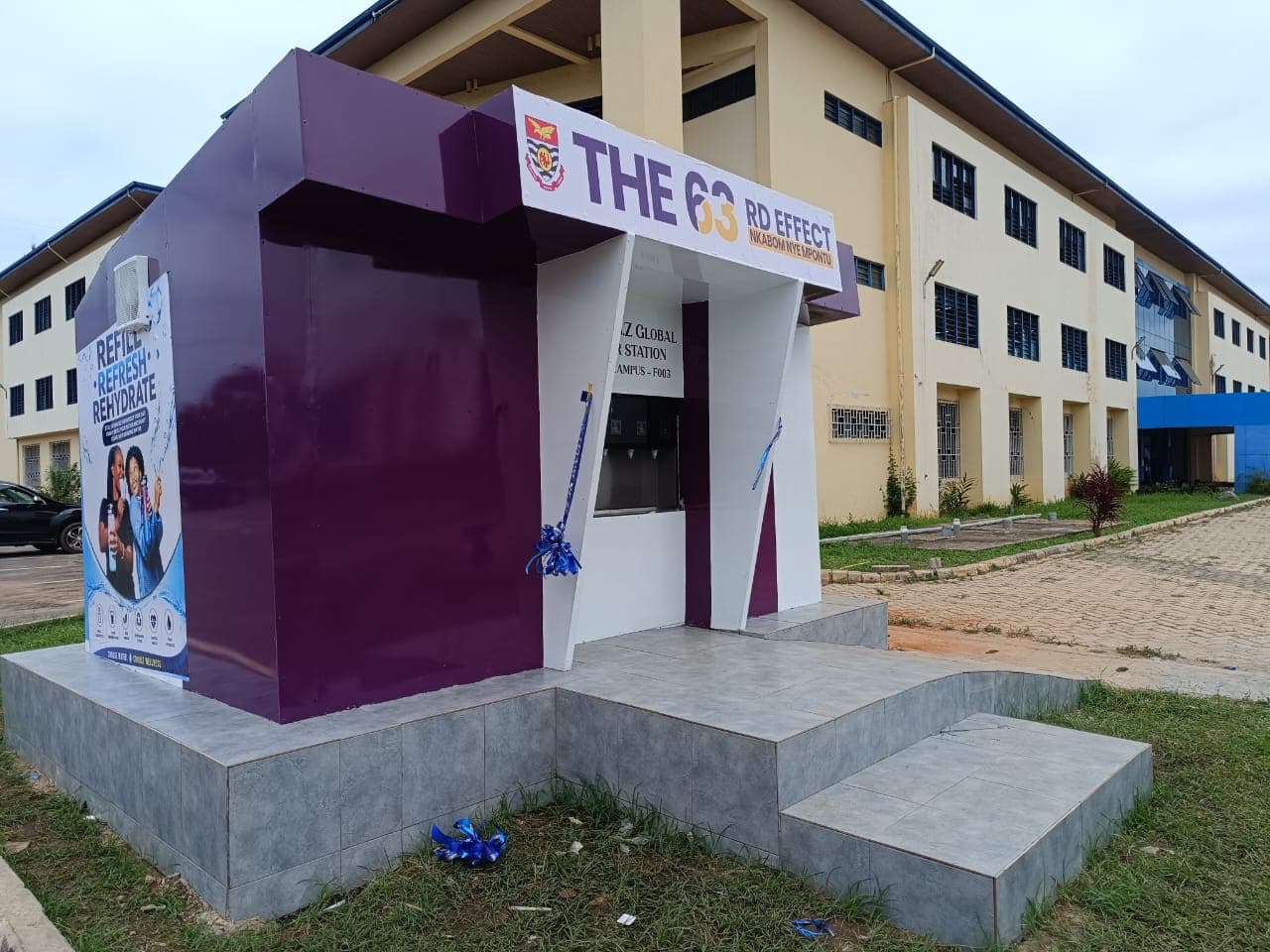
Students spend a significant part of each weekday within the school environment. Schools therefore need practical systems that help students and staff access drinking water throughout the day.
A reliable water station can make refilling easier, reduce dependence on single-use packaging and provide a structured water-access point for the institution.
Convenient access supports healthy routines
Students are more likely to refill their bottles when clean water is available in a convenient and visible location. A water station placed near classrooms, dining areas or shared spaces can make water access part of the normal school routine.
The station should be positioned where students can reach it safely without creating congestion or interrupting lessons.
Different schools require different systems
A kindergarten, junior high school, senior high school and university campus will not have the same water demand. Age, student population, operating hours and campus layout must all be considered.
Smaller stations may be suitable for limited user groups, while larger schools may require multiple stations or high-capacity systems with several faucets.
- Total number of students and staff
- Daily operating hours
- Location of classrooms and common areas
- Peak periods such as breaks and lunch
- Available power and water connections
- Accessibility for younger students and people with disabilities

Multiple faucets can reduce waiting time
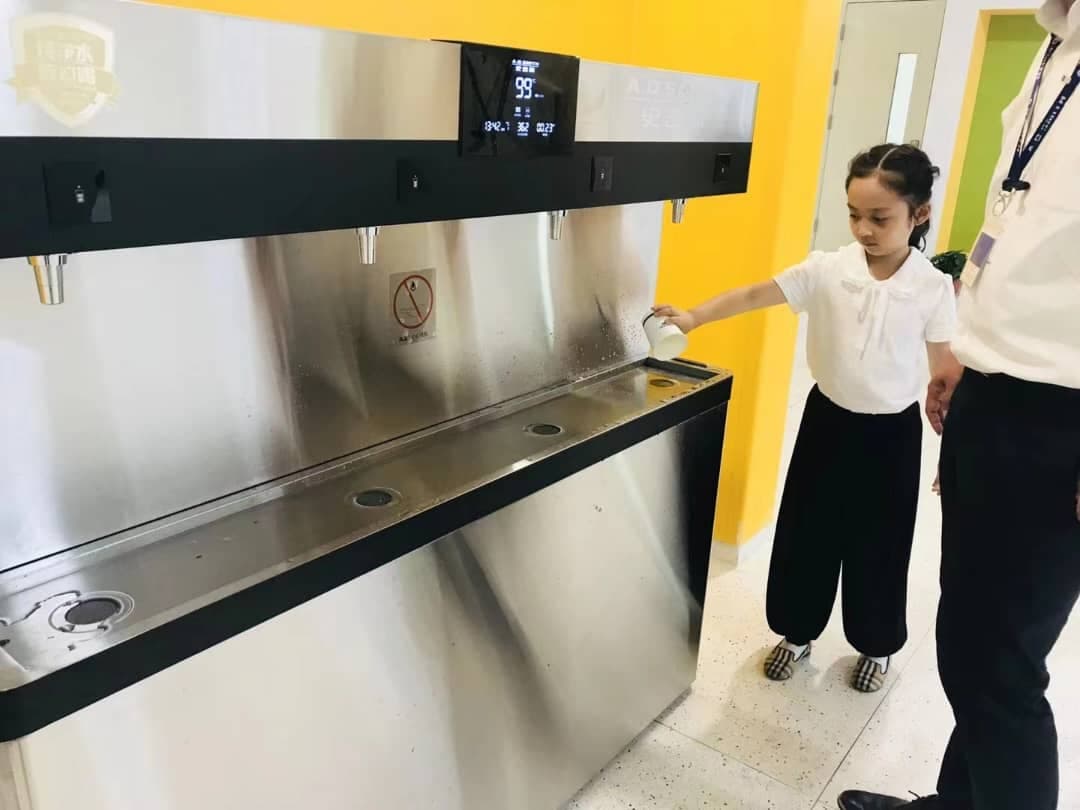
Queues can become a major concern when hundreds of students try to refill during a short break. A station with multiple faucets allows several users to collect water at the same time.
Schools should estimate peak demand rather than relying only on total enrolment. This helps determine whether one station is sufficient or whether several dispensing points are needed.
“The right school water solution should be based on peak demand, not only the total student population.”
Smart monitoring helps school management
An intelligent display can show water temperature, volume and selected system readings. This makes the station easier to observe and helps users understand the dispensing process.
A smart-card system can also provide controlled access where the school wants to organise usage around registered students, staff or specific payment arrangements.
Reusable bottles reduce unnecessary waste
A school refill programme can encourage students to bring reusable bottles. This reduces the number of disposable bottles and sachets that may end up in classrooms, gutters and school grounds.
The school can strengthen the programme by teaching students how reusable bottles should be cleaned and stored.
Installation is only the beginning
A school water station requires regular inspection, cleaning and technical support. Staff members should understand basic operation, while qualified technicians should handle specialised maintenance.
Training and a clear maintenance arrangement help the school protect the system and maintain dependable water access over time.
Article Summary
Key Takeaways
- Water stations should be easy and safe for students to reach.
- System capacity must reflect school population and peak demand.
- Multiple faucets help reduce queues during short breaks.
- Smart displays provide useful operating information.
- Reusable bottles can help schools reduce plastic and sachet waste.