Access to clean drinking water is not only about having a water source. The water must also be properly treated, conveniently available and supported by a system that can serve users reliably.
A smart water station combines modern purification with digital monitoring and controlled dispensing. This creates a more convenient water experience for schools, companies, hospitals, factories, hotels, communities and other institutions.
What makes a water station smart?
A conventional water dispenser mainly stores and releases water. A smart water station adds purification, monitoring and controlled access to the dispensing process.
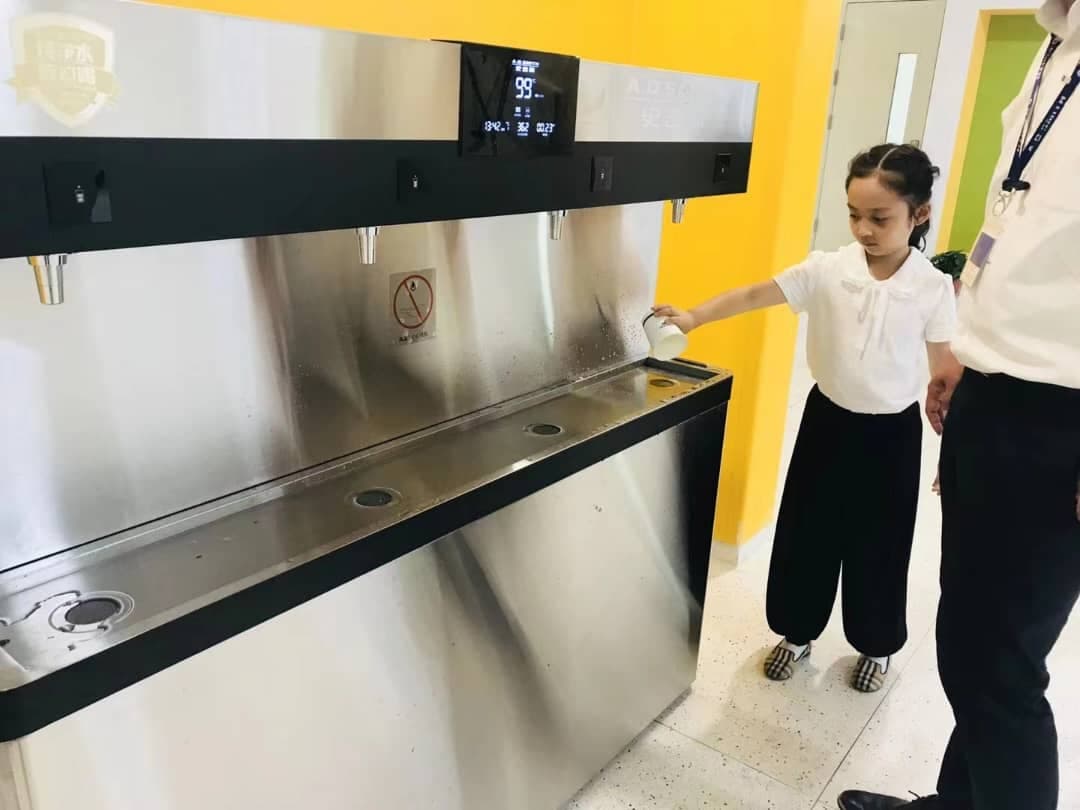
The station can display information such as water temperature, dispensing volume, date, time and selected water-quality readings. These features help users and operators understand what is happening while the system is being used.
- Smart-card access for controlled dispensing
- Intelligent screens that provide useful water information
- Multiple faucets for faster access
- Cold, warm or hot-water configurations
- Modern purification and sterilisation stages
Purification happens before dispensing
The effectiveness of a water station depends heavily on the purification process behind it. Different filtration stages perform different roles.
Ultrafiltration helps remove suspended solids, sediments and fine particles. Ultraviolet treatment helps control harmful microorganisms, while reverse osmosis helps remove dissolved substances and unwanted impurities.
The exact treatment configuration should be selected according to the incoming water source and the requirements of the installation.
“A station should be selected according to the source water, expected number of users and required daily output.”

Smart-card access improves convenience
Users can access the station using a dedicated water card. This provides a simple way to manage dispensing without requiring a staff member to supervise every refill.
For institutions, controlled access can support better usage management. For customers, it creates a quick and convenient process: present the card, position a reusable bottle and collect the required water.
Better access for busy institutions
A station with several faucets can serve more than one person at a time. This is particularly useful in schools, factories, offices and public environments where many people may need water during the same period.
Different station capacities are available because a small office and a large educational institution do not have the same level of demand. Capacity planning helps prevent long queues and inconsistent supply.
- Estimate the number of daily users
- Understand peak refill periods
- Assess the available installation space
- Identify the incoming water source
- Choose the required water-temperature options
- Plan maintenance and technical support
Supporting more sustainable water habits
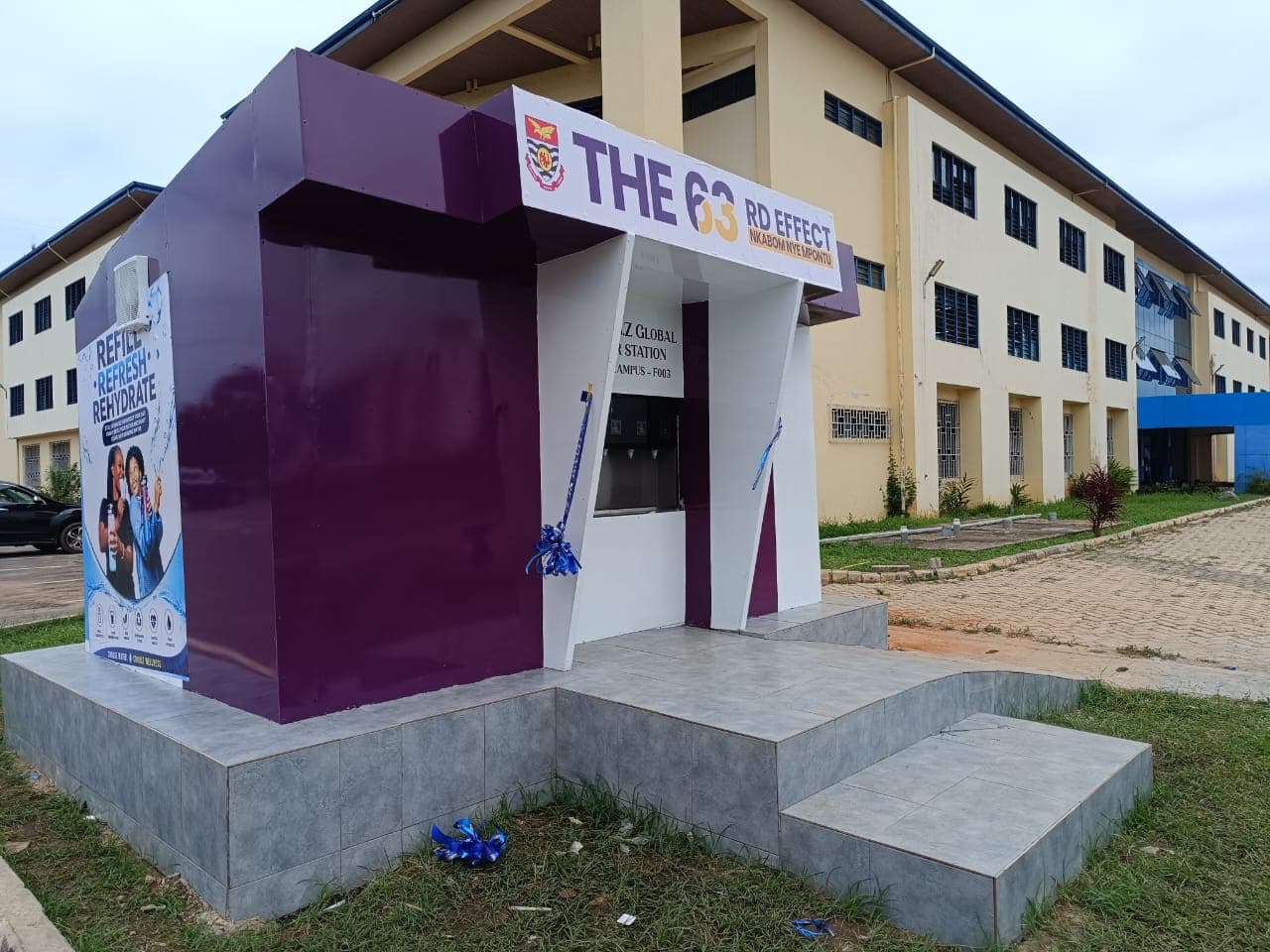
Smart refill stations can also encourage the use of reusable bottles. This reduces the need for people to purchase a new plastic bottle or sachet each time they need drinking water.
When an institution combines convenient refill access with reusable-bottle policies, safe-water access and environmental responsibility can support each other.
Article Summary
Key Takeaways
- Smart water stations combine purification, monitoring and dispensing.
- Different purification stages address different types of impurities.
- Smart cards provide convenient and controlled water access.
- Capacity should match the expected number of users.
- Reusable bottles can help reduce disposable water packaging.