Disposable plastic bottles and sachet-water packaging provide convenience, but they can also create large amounts of waste when they are used once and discarded.
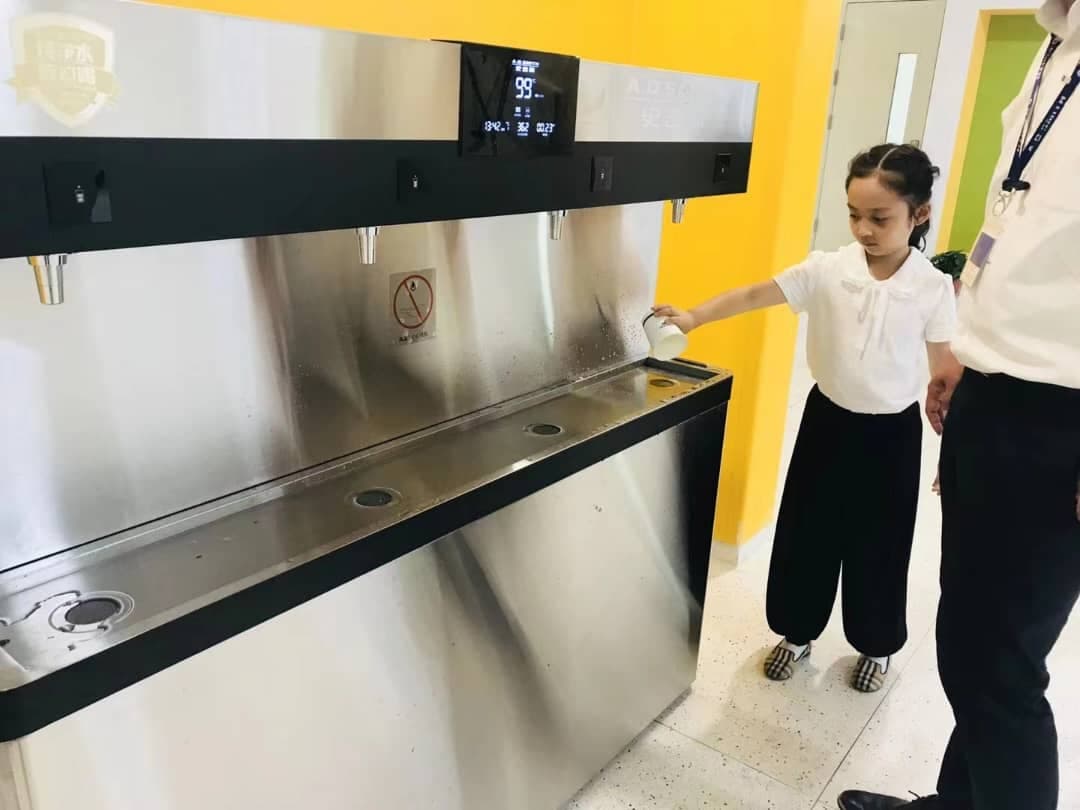
A refill system offers another approach. Instead of purchasing a new container whenever water is needed, users carry a reusable bottle and refill it from a properly managed water station.
The refill model changes the container, not the need
People will continue to need convenient drinking water. The refill model does not remove that need; it changes how the water is packaged and accessed.
A reusable bottle can be used repeatedly, while a station provides treated water from a fixed and managed location. This can reduce the number of disposable containers entering an institution.
Convenience is essential
A reusable-bottle programme will struggle when refilling is difficult. People may return to disposable packaging when stations are too far away, frequently unavailable or unable to handle peak demand.
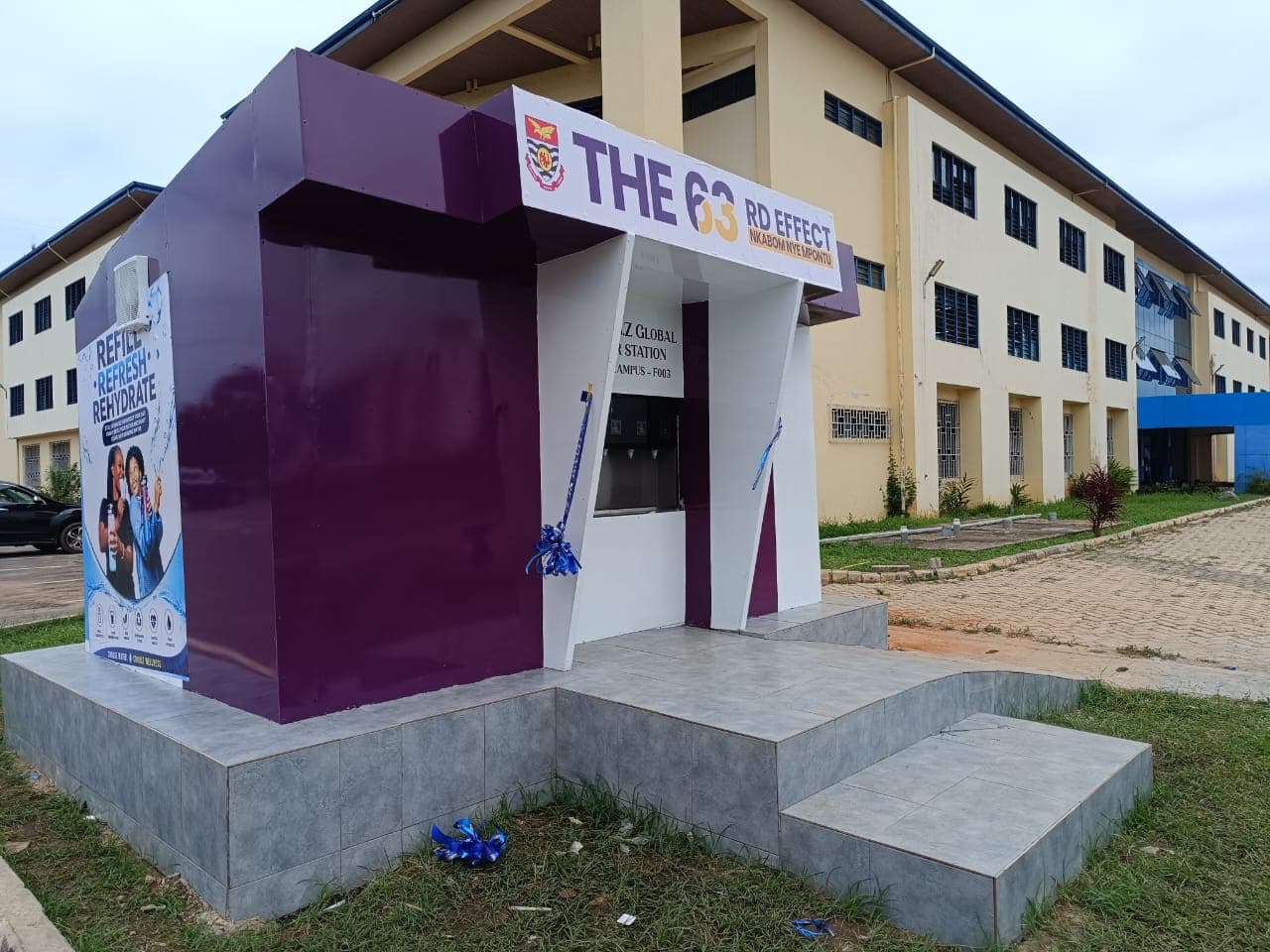
Stations should therefore be installed in convenient locations and selected according to the number of people expected to use them.
“Sustainability works best when the environmentally responsible option is also convenient.”

Smart cards can organise access
A smart-card water station gives users a structured way to access refills. Depending on the institution’s operating model, cards can be issued to students, employees, residents or customers.
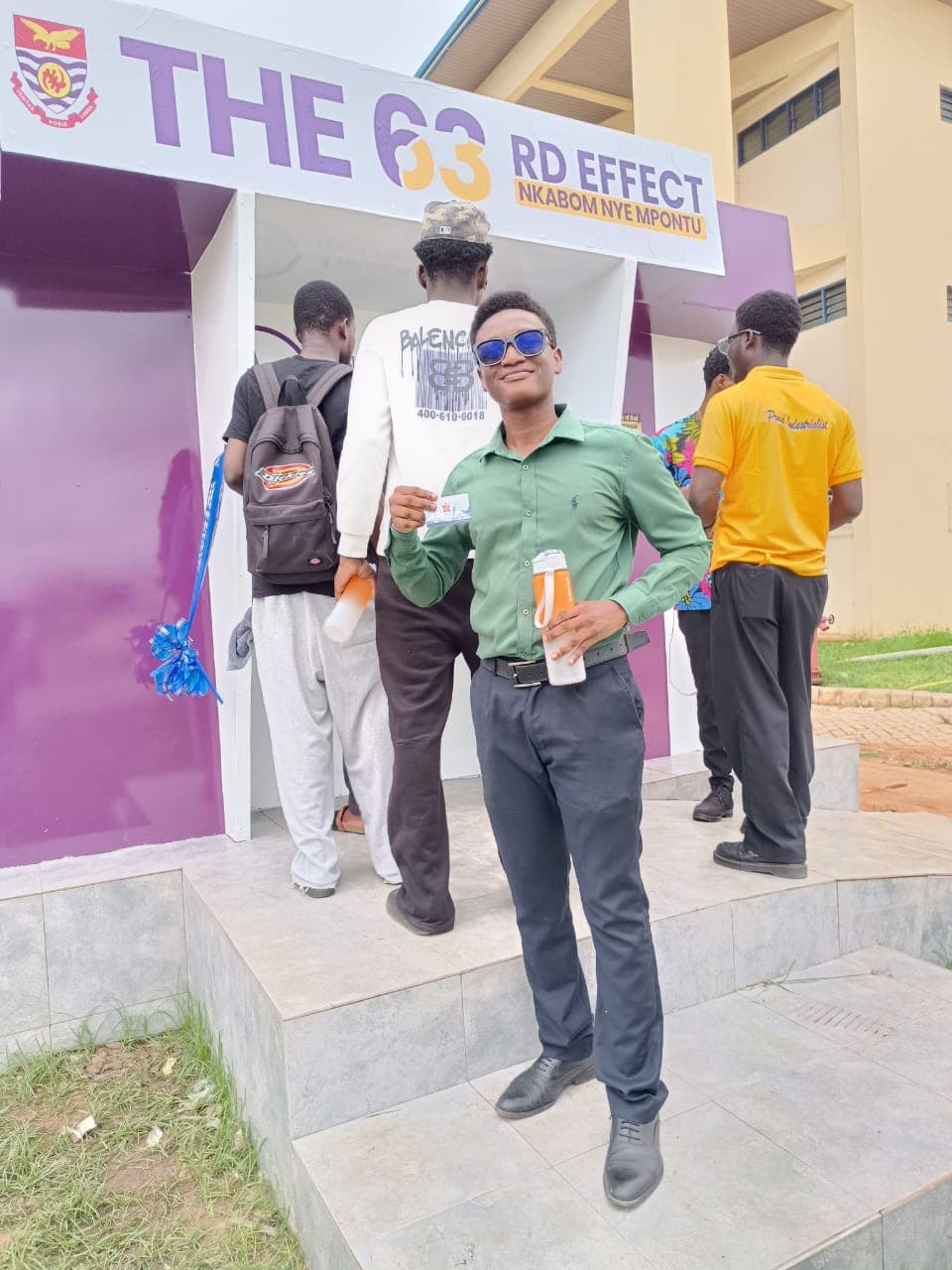
The card becomes part of a simple routine: carry a reusable bottle, access the station and collect the required volume of water.
Institutions can lead behaviour change
Schools, offices, factories, hospitals, hotels and public institutions can influence the daily habits of large groups of people.
An organisation can support reusable-bottle adoption by providing convenient stations, communicating the purpose of the programme and establishing practical usage guidelines.
- Provide every user with clear refill instructions
- Position stations in visible and convenient locations
- Encourage users to label personal bottles
- Teach correct bottle cleaning and storage
- Inspect and clean dispensing areas regularly
- Track station performance and maintenance needs
Reusable does not mean maintenance-free
Reusable bottles must be cleaned properly. Users should follow the bottle manufacturer’s instructions and avoid sharing personal bottles unnecessarily.
The refill station itself must also receive appropriate cleaning, filter replacement and technical maintenance. Sustainability should never replace proper hygiene and water-quality management.
A practical step toward cleaner environments
No single system will solve every waste problem, but refill stations can provide a practical reduction strategy for organisations that currently depend heavily on disposable water packaging.
The combination of safe water, reusable containers, convenient access and responsible maintenance can support healthier people and cleaner surroundings.
Article Summary
Key Takeaways
- Refill stations reduce the need for a new container for every drink.
- Convenient station placement supports reusable-bottle adoption.
- Institutions can influence the habits of large user groups.
- Reusable bottles and stations both require proper cleaning.
- Safe water access and waste reduction can work together.